
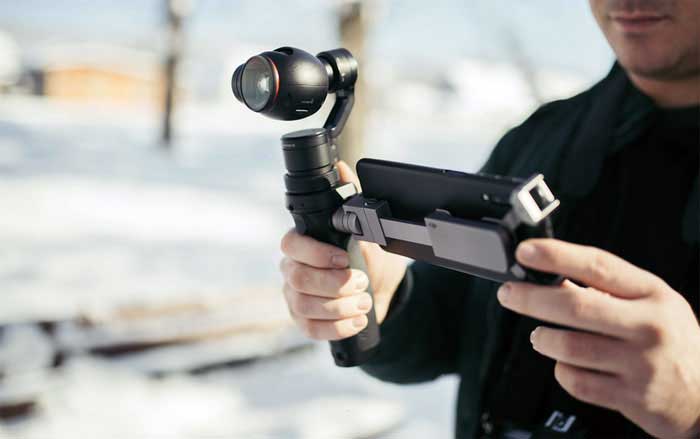
The Freelance Economy in 2026: How Independent Work Became a Core Business Strategy
Freelancing as a Mainstream Economic Force
By 2026, freelancing has evolved from a marginal career choice into a central pillar of the global economy, shaping how organizations in North America, Europe, Asia, Africa, and South America structure work, deploy capital, and access specialized expertise. What began as a flexible alternative for a small subset of professionals has matured into a sophisticated ecosystem in which independent specialists, remote-first teams, and digitally enabled micro-businesses collaborate across borders and time zones. In many advanced economies, including the United States, United Kingdom, Germany, Canada, Australia, and France, independent work now accounts for a substantial share of professional services, while emerging markets from Brazil to South Africa and Malaysia are leveraging freelance talent to integrate more deeply into global value chains.
This transformation has been accelerated by several converging forces. The normalization of remote work, the proliferation of high-speed internet and cloud tools, and the rapid commercialization of artificial intelligence have collectively lowered the barriers to operating as a one-person global enterprise. Freelancers now routinely serve clients in Japan, Singapore, Netherlands, Sweden, Norway, Denmark, South Korea, and New Zealand, while maintaining home bases in cities and rural locations far from traditional corporate hubs. At the same time, companies increasingly recognize that access to specialized skills on demand can be more efficient and innovative than relying solely on full-time hires. Reports from institutions such as the World Economic Forum and the International Labour Organization highlight that flexible work arrangements, including freelancing, are integral to how modern economies respond to technological change and demographic shifts. Learn more about how the global labour market is evolving on the International Labour Organization website.
Within this landscape, creatework.com has positioned itself as a practical and strategic resource for independent professionals and the organizations that hire them. By combining insights on freelancers and independent careers with analysis of remote work models, business strategy, and technology trends, the platform serves as a guide for navigating an increasingly complex and opportunity-rich environment. The emphasis on experience, expertise, authoritativeness, and trustworthiness reflects a broader shift in the freelance economy: sustainable success now depends on treating independent work as a serious business, not a side project.
Building a Credible and Sustainable Freelance Foundation
A strong freelance career in 2026 begins with clear positioning and demonstrable expertise. While generalist skills still have a place, particularly in smaller markets or early career stages, the most resilient and profitable freelancers in the United States, United Kingdom, Germany, and across Europe are those who define a precise niche and communicate it with clarity. A software engineer who specializes in healthcare compliance systems, a designer focused on fintech user interfaces, or a consultant advising on ESG strategy for mid-market manufacturers in France or Italy is far more likely to command premium rates than a broad "developer," "designer," or "consultant." Research from organizations such as McKinsey & Company underscores the premium placed on deep, domain-specific skills in a digital economy. Explore more on how specialization drives value on the McKinsey & Company website.
Credibility in this environment is built through a professional, coherent digital footprint. An independent professional's website, LinkedIn profile, and portfolio now function as a combined résumé, sales brochure, and proof-of-work repository. Designers and creatives frequently use platforms such as Behance and Dribbble to showcase portfolios that appeal to clients in Canada, Australia, Netherlands, and Switzerland, while writers, strategists, and consultants publish thought leadership on LinkedIn, Medium, or specialized industry blogs to demonstrate analytical depth and sector understanding. Guidance on building such authority-driven content is a core theme of the Creatework guide section, where independent professionals can learn how to structure their expertise into clear, client-facing narratives.
Financial literacy has become another non-negotiable foundation. Freelancers must manage variable income, navigate tax regimes in multiple jurisdictions, and plan for retirement without employer-sponsored benefits. Tools such as QuickBooks, Xero, and FreshBooks help automate invoicing and expense tracking, but long-term success requires a more strategic approach to budgeting, cash reserves, and investment planning. Central banks and financial regulators, including the European Central Bank and the Bank of England, have increasingly recognized the importance of financial resilience for self-employed workers, publishing guidance on savings, inflation, and interest rate environments that directly affect freelancers' planning horizons. Learn more about building financial resilience from the Bank of England. For practical, freelancer-focused insights, the Creatework money hub and finance section translate these macroeconomic realities into day-to-day decisions on pricing, reserves, and investment.
Technology, AI, and the New Freelance Operating System
In 2026, technology is no longer simply a set of tools that enable remote work; it is the operating system of the freelance enterprise. Cloud-based collaboration suites, AI-augmented productivity platforms, and secure payment infrastructure together allow a solo professional in Spain or Finland to deliver work at a standard previously associated with well-resourced agencies. At the core of this shift is the integration of artificial intelligence into everyday workflows. Freelancers now use AI to draft proposals, analyze campaign performance, generate code snippets, support research, and even provide first-pass quality checks on deliverables. Resources from organizations such as OpenAI and MIT's Computer Science and Artificial Intelligence Laboratory help professionals understand the capabilities and limitations of these systems. Learn more about applied AI from the MIT CSAIL website.
Project and knowledge management tools such as Notion, Trello, Asana, and ClickUp have become standard infrastructure for freelancers managing multiple clients across North America, Europe, and Asia. Integrated with communication platforms like Slack, Zoom, and Google Workspace, they allow independent professionals to run complex, multi-stakeholder engagements with the same rigor as internal corporate teams. Meanwhile, payment solutions such as Wise and Payoneer have reduced friction in cross-border transactions, enabling freelancers in Thailand, South Africa, Brazil, and Malaysia to work seamlessly with clients around the world. The rise of digital wallets and, in some regions, central bank digital currencies has further streamlined global transfers, an evolution closely tracked by institutions such as the Bank for International Settlements. Learn more about cross-border payment innovation from the Bank for International Settlements.
With increased digitization comes heightened risk. Cybersecurity is now a core competency rather than an afterthought, particularly for freelancers handling sensitive data in regulated sectors such as healthcare, finance, or legal services. Guidance from organizations like the National Institute of Standards and Technology (NIST) and ENISA in Europe provides frameworks for securing devices, encrypting data, and managing access, all of which are critical for maintaining client trust and complying with contractual obligations. Learn more about practical cybersecurity controls from the NIST Cybersecurity Framework. On creatework.com, the AI and automation section and technology insights focus on helping freelancers strike the right balance between automation, security, and human expertise, ensuring that tools enhance rather than erode professionalism.
From Solo Operator to Scalable Business
A defining trend in the freelance economy of 2026 is the shift from ad hoc, project-to-project work toward structured, scalable business models. Many experienced freelancers across United States, United Kingdom, Germany, France, Italy, Japan, and Singapore now think less like individual contractors and more like founders of lean, service-based enterprises. This perspective change manifests in the creation of standardized service packages, clear processes, and layered revenue streams that go beyond hourly billing.
Freelancers are increasingly productizing their expertise. A marketing strategist might develop a fixed-price "go-to-market audit" for startups, followed by retainer-based execution, while a UX designer might offer a subscription-based design support service for SaaS companies in Canada, Australia, or Netherlands. Others build digital products such as templates, playbooks, or online courses that generate recurring revenue and reinforce their authority. Platforms like Teachable, Kajabi, and Gumroad have matured to support this productization, while global marketplaces such as Shopify enable independent professionals to sell resources directly to niche audiences. Learn more about building digital products and online businesses on the Shopify website.
Scaling often involves collaboration. Rather than hiring full-time employees, many freelancers form loose collectives or micro-agencies, bringing together complementary skills to win larger, more complex contracts. A content strategist in United Kingdom might partner with designers in Poland and developers in India to deliver end-to-end digital campaigns, while a cybersecurity consultant in Germany collaborates with legal experts in Switzerland to advise clients on regulatory compliance. This networked model allows for flexible capacity while preserving the independence that attracts many to freelance work in the first place. The Creatework business startup resources and business strategy hub provide frameworks for moving from solo practice to scalable operation, covering topics such as process design, subcontracting, and client governance.
Global Markets, Cultural Intelligence, and Economic Context
As the freelance economy globalizes, regional dynamics play a decisive role in shaping opportunities. In North America, a mature ecosystem of remote-first companies and venture-backed startups routinely integrates freelancers into core operations, particularly in technology, marketing, product development, and specialized advisory roles. In Europe, regulatory developments, including evolving guidance from the European Commission on platform work and self-employment, are reshaping taxation, social protections, and classification standards, prompting both freelancers and clients to adopt more robust contractual frameworks. Learn more about regulatory developments affecting independent work on the European Commission Employment, Social Affairs & Inclusion site.
In Asia, rapid digitalization has created diverse freelance markets. Countries such as India and Philippines remain leading hubs for outsourced services, while Singapore, South Korea, Japan, and China are increasingly focused on high-value, innovation-driven work, from AI engineering to advanced design and product strategy. Governments in Singapore and South Korea have invested heavily in digital infrastructure and skills development, recognizing that independent professionals are key contributors to innovation ecosystems. Meanwhile, in Africa, growing technology clusters in Nigeria, Kenya, and South Africa have fostered vibrant freelance communities that serve clients globally, often focusing on software development, creative services, and fintech. Organizations such as the World Bank have documented how digital platforms are enabling new forms of employment and entrepreneurship across developing regions. Learn more about digital jobs and development from the World Bank.
Macroeconomic conditions also influence freelance strategy. Inflation cycles, interest rate changes, and currency volatility affect both client budgets and freelancers' real incomes, particularly for those working across currencies. The Creatework economy section interprets analysis from global bodies such as the OECD and IMF, helping independent professionals understand how shifts in global demand, sectoral investment, and policy environments may impact their pipelines, pricing, and positioning. By aligning their services with sectors projected to grow-such as green technology, digital health, cybersecurity, and AI-enabled services-freelancers in Europe, Asia, Africa, and South America can insulate themselves from local downturns and tap into global momentum.
Client Acquisition, Trust, and Relationship Management
Winning and retaining high-value clients in 2026 requires far more than a polished profile on large platforms such as Upwork, Fiverr, or Toptal. While these marketplaces remain useful entry points, serious freelancers increasingly focus on direct client relationships built through authority, referrals, and consistent delivery. In mature markets such as United States, United Kingdom, Germany, and Canada, clients often seek independent professionals who can operate as strategic partners rather than task executors, which elevates the importance of positioning and communication.
Thoughtful client targeting is central to this approach. A data analyst might focus exclusively on retail and e-commerce businesses, bringing sector-specific insights on customer lifetime value and inventory optimization, while a legal consultant could specialize in data privacy for SaaS platforms operating across Europe and Asia, navigating frameworks like GDPR and regional privacy laws. Industry associations and professional bodies, such as the American Marketing Association, Chartered Institute of Marketing, or IEEE, offer sector-specific resources and events that help freelancers stay current and visible. Learn more about marketing best practices from the American Marketing Association.
Trust is established through personal branding, social proof, and predictable professionalism. Detailed case studies, testimonials, and outcome-focused narratives allow potential clients to see how a freelancer's expertise translates into tangible business value. Active participation in professional communities-whether on LinkedIn, specialized Slack groups, or curated online forums-reinforces this credibility. At the same time, disciplined communication, clear expectations, and transparent reporting convert one-off engagements into ongoing partnerships. The Creatework freelancers hub emphasizes these relationship-building skills as a core component of long-term success, recognizing that the most valuable asset in a freelance career is a reputation for reliability and impact.
Financial Stability, Risk Management, and Long-Term Planning
Despite its advantages, freelancing introduces financial volatility that must be actively managed. Independent professionals in United States, United Kingdom, Germany, France, Italy, Spain, and beyond increasingly adopt practices similar to small business financial management: maintaining cash reserves, forecasting revenue, segmenting accounts for taxes and investments, and diversifying income streams. Financial institutions and investment firms such as Vanguard, Fidelity, and Charles Schwab provide retirement vehicles and investment products suitable for self-employed individuals, while government tax authorities in markets like HM Revenue & Customs in the UK and the Internal Revenue Service in the US offer guidance tailored to self-employment and small business income. Learn more about self-employment taxation from the Internal Revenue Service.
Diversification is an increasingly common strategy. Many freelancers blend client-facing work with scalable assets such as digital products, training programs, or affiliate partnerships, reducing dependence on any single client or sector. Others experiment with revenue-sharing or performance-based contracts, particularly in marketing, sales, and product optimization roles, where their contribution to measurable outcomes can be clearly quantified. On creatework.com, the money and finance sections emphasize risk management, scenario planning, and long-term wealth building, helping freelancers move beyond survival mode into strategic financial independence.
Upskilling, Lifestyle Design, and the Future of Independent Work
In a market where technology cycles are measured in months rather than years, continuous learning has become a core competency. Freelancers who neglect upskilling risk rapid obsolescence, particularly in fast-moving fields such as AI, cybersecurity, digital marketing, and software development. Online education platforms such as Coursera, edX, and Udemy partner with leading universities and organizations to deliver specialized programs, while certifications from bodies like CompTIA, (ISC)², Google, and Microsoft serve as recognized signals of competence in global markets. Learn more about industry-recognized certifications from the (ISC)² website. The Creatework upskilling hub curates learning paths and skill roadmaps designed specifically for independent professionals, aligning training choices with market demand and earning potential.
Equally important is the deliberate design of a sustainable freelance lifestyle. The flexibility that attracts many to independent work can easily lead to overextension, blurred boundaries, and burnout, particularly when serving clients across North America, Europe, and Asia simultaneously. Effective time management, clear communication about availability, and structured rest periods are essential to maintaining long-term performance. Productivity methodologies, supported by digital tools and platforms, help freelancers manage complex workloads without sacrificing personal well-being. Learn more about sustainable productivity practices on the Harvard Business Review website. On creatework.com, the productivity tools section and lifestyle hub address both the tactical and human sides of this challenge, emphasizing that professional success and personal health are mutually reinforcing rather than competing goals.
Looking ahead, several trends are likely to further entrench freelancing as a core component of the global employment landscape. AI-powered talent matching is making it easier for enterprises to identify the right independent experts for specific initiatives, while digital nomad visas and remote work policies in countries such as Portugal, Estonia, and Thailand are normalizing location-independent careers. Decentralized finance and innovative payment rails may expand financial inclusion for freelancers in underbanked regions, and corporate reliance on blended teams of full-time employees and independent specialists is expected to deepen. Analysts at organizations such as the World Economic Forum anticipate that skills-based hiring and project-based collaboration will continue to displace traditional job structures, especially in knowledge-intensive sectors. Learn more about the future of work trends from the World Economic Forum.
In this evolving environment, independent professionals and the businesses that rely on them need trusted, practical guidance. creatework.com is dedicated to serving that role, bringing together insights on freelancing, remote work, business strategy, technology, economy and employment, and the broader future of work. By helping freelancers build robust foundations, leverage technology intelligently, manage finances prudently, and design sustainable lifestyles, the platform supports a vision of independent work that is not only flexible and global, but also stable, strategic, and deeply professional.
