
Growing a Freelance Network in 2026: How Independent Professionals Win in a Global, AI-Driven Economy
The Freelance Landscape in 2026: Competition, Opportunity, and the Role of Networks
By 2026, the global freelance economy has matured into a central pillar of the modern labor market rather than a peripheral alternative to traditional employment. With estimates suggesting that close to 1.5 billion people worldwide are now engaged in some form of freelance or independent work, competition for high-quality clients has intensified across regions from North America and Europe to Asia, Africa, and South America. At the same time, advances in digital infrastructure, collaboration tools, and artificial intelligence have made it easier than ever for organizations in the United States, United Kingdom, Germany, Canada, Australia, and beyond to work seamlessly with independent professionals located anywhere in the world.
In this environment, success is no longer determined solely by technical skill or portfolio quality. Freelancers who consistently secure premium projects tend to be those who understand how to build and maintain strong networks, communicate their expertise clearly, and position themselves as trusted partners rather than interchangeable vendors. The shift toward remote and hybrid work models, documented by organizations such as the World Economic Forum, has accelerated this trend, as companies increasingly rely on flexible talent to respond to market volatility and technological disruption. Learn more about global employment trends and the future of work on the CreateWork employment insights page, where the emphasis is placed on how networks shape access to opportunity.
For CreateWork.com, which serves a global audience of freelancers, remote professionals, and early-stage founders, the central question is no longer whether networking matters but how independent workers can approach it strategically, sustainably, and authentically in a world where AI, automation, and global competition are rewriting the rules of business.
Why Networking Is Now a Core Business Function for Freelancers
For traditional employees, networking often supports career advancement, internal mobility, or industry visibility. For freelancers, networking is much closer to a core business function, sitting alongside service delivery, pricing, and financial management. Without a deliberate approach to building and nurturing relationships, even highly skilled professionals risk falling into the feast-or-famine cycle that has long plagued independent work.
Research continually highlighted by publications such as Harvard Business Review underscores that a significant proportion of business opportunities still emerge through referrals, warm introductions, and existing relationships rather than cold outreach or anonymous platform bidding. This is particularly true in higher-value segments such as B2B consulting, specialized technology services, and strategic creative work, where trust and perceived risk play a central role in hiring decisions. Learn more about how these dynamics intersect with broader macroeconomic shifts on the CreateWork economy page, where the freelance market is analyzed through the lens of global trends.
For freelancers, networking serves multiple intertwined purposes. It helps generate a steady pipeline of potential clients, reduces dependence on any single platform or marketplace, and creates opportunities for collaboration with peers who can expand the scope and scale of projects. Just as importantly, networking contributes to reputation-building: being known, remembered, and recommended within a niche. Over time, this reputation compounds, enabling freelancers to command better rates, negotiate more favorable terms, and selectively choose projects aligned with their values and long-term goals. In 2026, the most successful independent professionals view networking not as an occasional activity but as a structured, ongoing investment in their business.
Building a Credible Personal Brand in a Crowded Global Market
A decade ago, freelancers could often rely on a solid portfolio and a few testimonials to differentiate themselves. Today, with professionals from India, Brazil, Nigeria, Poland, Singapore, and South Korea competing for the same opportunities as those in more traditional hubs, a clearly defined personal brand has become essential. A personal brand is not simply a logo or a tagline; it is the sum of how a freelancer communicates their expertise, values, reliability, and results across every touchpoint a client encounters.
A strong brand in 2026 begins with a clear value proposition: which problems the freelancer solves, for whom, and in what specific context. A UX designer who focuses on fintech products in Europe, a copywriter specializing in sustainability and ESG topics, or a data analyst dedicated to e-commerce optimization in North America each sends a much stronger signal to potential clients than a generalist profile. This clarity is especially important on platforms such as LinkedIn, where decision-makers increasingly search for specialists who understand their industry, regulatory environment, and customer expectations. Learn more about positioning and niche selection on the CreateWork freelancers hub, which explores how clarity of focus impacts both pricing and demand.
An effective personal brand is reinforced by a cohesive online presence. Professional headshots, well-structured service pages, case studies with measurable results, and concise explanations of process and methodology all contribute to perceived authority. Freelancers who publish insights, whether through LinkedIn articles, guest posts on respected industry blogs, or contributions to platforms such as Medium, signal that they are active participants in their field rather than passive service providers. Over time, this visibility builds familiarity and trust, making outreach easier and inbound inquiries more frequent.
Digital Platforms and Communities as Engines of Relationship-Building
Networking in 2026 is increasingly platform-mediated. While email and personal websites remain important, much of the discovery, evaluation, and early relationship-building between freelancers and clients takes place on digital platforms designed to facilitate professional interaction. For many independent workers, the challenge is less about access and more about strategic focus: choosing where to invest time and energy for the highest return.
Professional networks such as LinkedIn continue to serve as the default environment for B2B relationship-building, particularly in the United States, United Kingdom, Germany, France, and Netherlands. Thoughtful participation in niche groups, regular contributions to discussions, and the consistent sharing of case studies or frameworks allow freelancers to be discovered by clients who are already in a problem-solving mindset. Meanwhile, specialized communities on platforms such as GitHub for developers, Behance and Dribbble for designers, and Stack Overflow for technical problem-solving operate as both portfolio spaces and relationship accelerators, where quality contributions can quickly translate into direct outreach from potential clients.
Freelance marketplaces have also evolved. While large, generalist platforms like Upwork and Fiverr remain significant entry points, many experienced freelancers now focus on curated, niche platforms that pre-qualify both clients and talent. Sites such as Toptal for high-end development and design, or industry-specific marketplaces for legal, financial, and marketing services, create environments where pricing pressure is lower and expectations of professionalism are higher. The CreateWork business section discusses how freelancers can treat these platforms not as permanent homes but as launchpads for longer-term, direct client relationships built on trust and shared goals.
Social Media as a Strategic Visibility Tool Rather Than a Distraction
Social media's role in freelancing has shifted markedly by 2026. Rather than being treated as an optional add-on or a purely personal outlet, platforms like LinkedIn, X (formerly Twitter), Instagram, and TikTok now function as powerful visibility engines when used with discipline and intention. The freelancers who benefit most are those who treat social channels as extensions of their professional brand, aligned with clear goals around reach, authority, and relationship-building.
On LinkedIn, long-form posts, short expert analyses, and practical frameworks that address specific business challenges tend to perform best with decision-makers in sectors ranging from SaaS and fintech to healthcare and manufacturing. Freelancers who regularly share before-and-after examples, breakdowns of successful campaigns, or insights into industry trends create a body of work that prospective clients can review asynchronously, often before any direct conversation takes place. Meanwhile, X continues to be a hub for real-time commentary in technology, finance, and media, where concise, insightful contributions can quickly lead to invitations for collaboration, panels, or consulting engagements.
For visual and creative professionals, platforms like Instagram and TikTok remain powerful, particularly in markets such as Italy, Spain, Australia, and Japan, where design, fashion, lifestyle, and media brands actively scout talent. Short, educational content-such as design breakdowns, editing walkthroughs, or branding tips-often performs better for client acquisition than purely aesthetic posts. On the CreateWork creative hub, freelancers can explore how to align platform choice, content format, and audience expectations, ensuring that social media supports business outcomes rather than becoming an unstructured time sink.
Cold Outreach in 2026: Precision, Personalization, and Value
Despite the growth of inbound opportunities, cold outreach remains a necessary and often highly effective component of a freelancer's networking strategy, particularly when targeting specific industries, geographies, or types of organizations. However, the bar for what constitutes acceptable outreach has risen sharply. Decision-makers in companies across Europe, Asia, and North America are inundated with generic pitches, making it crucial for freelancers to approach outreach as a consultative exercise rather than a volume-driven tactic.
Effective outreach in 2026 is grounded in research. Before contacting a potential client, successful freelancers invest time in understanding the organization's market position, recent initiatives, and likely pain points, using resources such as Crunchbase, TechCrunch, or company blogs and investor reports. By referencing specific projects, product launches, or strategic shifts, freelancers demonstrate seriousness and relevance. Instead of leading with a list of services, they frame their message around the outcomes they can help the client achieve, supported by brief examples of similar results delivered for others.
Tools have also become more sophisticated. Email discovery platforms like Hunter.io and data-enrichment solutions help freelancers identify the right stakeholders, while modern CRM systems such as HubSpot or Zoho allow them to track interactions, follow up at appropriate intervals, and avoid the scattershot approach that undermines trust. On the CreateWork guide section, freelancers will find frameworks for crafting outreach that feels like the beginning of a partnership conversation, focusing on clarity, brevity, and tangible value rather than aggressive selling.
Mentorship, Peer Collaboration, and the Power of Collective Reputation
Networking for freelancers is not limited to client acquisition. In 2026, peer relationships and mentorship have become central to building sustainable, resilient careers. As projects grow in complexity and organizations seek integrated solutions rather than isolated tasks, collaboration between independent professionals has become a competitive advantage.
Mentorship provides both strategic and psychological benefits. Experienced freelancers help newer entrants navigate pricing, contract structures, scope management, and negotiation, accelerating their learning curve and reducing costly mistakes. In many cases, mentors also act as gateways to established networks, recommending mentees for overflow work or specialized tasks. Communities such as Freelancers Union, Indie Hackers, and sector-specific Slack or Discord groups facilitate these relationships, while local meetups in cities from London and Berlin to Singapore and Cape Town add an in-person dimension where trust can deepen more rapidly.
Collaboration between peers allows freelancers to bid on larger, more complex projects that would be beyond the scope of an individual. A typical example might be a web project that combines strategy, UX design, development, copywriting, and analytics, delivered by a small, loosely organized collective of specialists across different countries. This model is particularly appealing to startups and mid-sized companies that want agency-level expertise without agency-level overhead. On the CreateWork upskilling page, independent professionals are encouraged to think of their careers not just as solo journeys but as part of an ecosystem where shared learning and joint ventures can significantly increase earning potential and resilience.
Conferences, Local Events, and the Persistent Power of In-Person Interaction
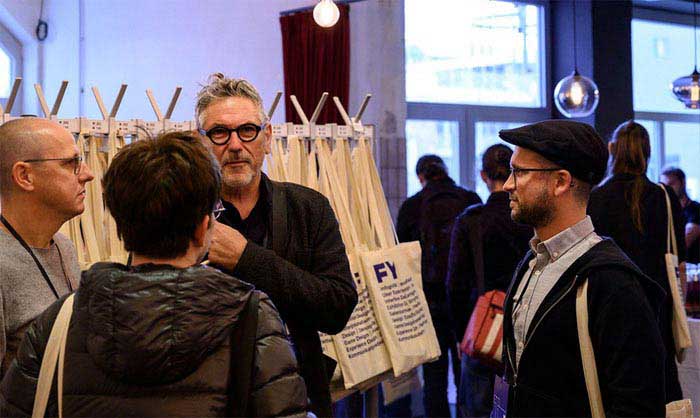
Even as remote collaboration tools and virtual events have become ubiquitous, in-person networking remains uniquely powerful in 2026. Conferences, trade shows, and local professional gatherings provide rare opportunities for concentrated, high-quality interaction with decision-makers and peers who are often difficult to reach online. Events such as Web Summit in Lisbon, SXSW in Austin, VivaTech in Paris, or regional startup conferences in Singapore, Bangkok, Johannesburg, and São Paulo attract founders, executives, and investors who are actively seeking talent and new perspectives.
Freelancers who approach these events strategically-by researching attendees, setting clear goals, preparing concise positioning statements, and following up promptly-often find that a few well-managed conversations can yield months or even years of work. Speaking engagements, panel participation, or workshop facilitation further amplify visibility and authority, especially when recordings or summaries are repurposed for online channels afterward. The CreateWork business-startup guide highlights how early-stage founders and independent consultants can use events not only for lead generation but also for refining their messaging through real-time feedback from potential clients.
AI, Automation, and the New Infrastructure of Freelance Networking
By 2026, artificial intelligence and automation have moved from experimental add-ons to integral components of how freelancers manage and grow their networks. Rather than replacing relationship-building, AI increasingly supports it by handling repetitive, low-value tasks and surfacing insights that allow freelancers to focus on higher-quality interactions.
AI-powered CRM systems now analyze communication patterns, suggest optimal follow-up times, and even flag at-risk relationships that may require attention. Language models assist with drafting tailored outreach messages, proposals, and follow-up emails that can then be refined by the freelancer for nuance and tone. Matching algorithms on advanced platforms connect freelancers to projects based on demonstrated skills, past performance, and client feedback, reducing friction in the discovery process. Learn more about these shifts on the CreateWork AI and automation page, which explores how independent professionals can integrate AI into their daily workflows without losing authenticity.
Automation also plays a role in content and social media management. Scheduling tools allow freelancers to maintain a consistent presence on platforms like LinkedIn and X without needing to be online constantly, while analytics dashboards reveal which topics, formats, and messages resonate most with target audiences. Used thoughtfully, these tools help freelancers scale their visibility and maintain relationship momentum, while still reserving time for deep work and strategic thinking.
Pricing, Trust, and Positioning in an International Client Base
In a globalized freelance market spanning North America, Europe, Asia-Pacific, and Africa, pricing is both a strategic lever and a trust signal. Clients often equate extremely low rates with higher risk, while premium pricing can either attract or deter depending on how convincingly value is communicated. Freelancers who work with clients across regions-from Sweden and Norway to Malaysia, New Zealand, and South Africa-must navigate differences in purchasing power, expectations, and negotiation styles.
Value-based pricing has gained traction as a preferred approach for many experienced freelancers. Rather than charging solely by the hour, they anchor their fees to the business outcomes they help clients achieve, whether that is increased revenue, reduced churn, improved conversion rates, or more efficient processes. This requires deeper discovery conversations and a strong grasp of the client's economics, but it also positions the freelancer as a strategic partner. Tools like FreshBooks and Wave support transparent invoicing and payment processes, reinforcing professionalism. On the CreateWork finance page, freelancers can explore how to structure offers, manage cash flow, and maintain financial resilience in a world where income may fluctuate from month to month.
Trust is further reinforced through clear contracts, well-defined scopes of work, and structured communication cadences. International clients, particularly in regulated industries or in countries with strict compliance norms such as Switzerland, Japan, and France, often place high value on documentation, data security, and adherence to timelines. Freelancers who demonstrate reliability in these areas not only retain clients longer but also benefit from referrals into adjacent teams, departments, or partner organizations.
Thought Leadership and Publishing as Long-Term Network Multipliers
As the freelance market has become more saturated, thought leadership has emerged as one of the most effective ways for independent professionals to differentiate themselves and attract higher-caliber opportunities. Publishing articles, white papers, or research-backed analyses on topics of strategic importance to clients signals depth of expertise and a commitment to the craft that goes beyond transactional work.
Platforms such as Forbes, Fast Company, MIT Sloan Management Review, and Medium provide avenues for freelancers to reach executive and managerial audiences worldwide, while niche industry publications allow for highly targeted visibility. Even consistent, well-structured posting on LinkedIn can function as an ongoing publication channel, especially when content is organized into thematic series that address recurring client challenges. On the CreateWork remote work hub, independent professionals can see how thought leadership intersects with changing models of distributed work, helping them anticipate what clients will need next rather than simply reacting to current demand.
Public speaking, podcast appearances, and webinar hosting further extend this effect. When freelancers share frameworks, methodologies, or case studies in public forums, they create assets that can be referenced, shared, and revisited long after the live event. Over time, this body of public work becomes a powerful trust-building mechanism: new prospects arrive already familiar with the freelancer's thinking and approach, shortening sales cycles and reducing the need for extensive credentialing.
Integrating Networking Into Daily Practice for Sustainable Growth
In 2026, the freelancers who build durable, opportunity-rich careers are those who integrate networking into their daily and weekly routines rather than treating it as an ad hoc activity triggered only when work is scarce. This does not require constant self-promotion; instead, it involves a series of small, consistent actions that compound over time.
These actions might include commenting thoughtfully on a few LinkedIn posts each day, sharing a short insight or resource once or twice a week, following up with past clients on a regular schedule, or scheduling periodic virtual coffees with peers in adjacent disciplines. Time-tracking and workflow tools, many of which are discussed on the CreateWork productivity tools page, help freelancers allocate specific windows for outreach, content creation, and relationship maintenance without compromising delivery quality.
Crucially, networking in 2026 is most effective when aligned with personal values and lifestyle choices. Freelancers who prioritize well-being, flexibility, and meaningful work can design networking strategies that support those priorities rather than undermine them. The CreateWork lifestyle section emphasizes that sustainable success rests on aligning business development practices with how individuals actually want to live and work, whether that means building a client base across time zones to enable geographic mobility or focusing on local relationships to support community engagement.
Conclusion: Networks as the Backbone of Freelance Success in 2026 and Beyond
By 2026, freelancing has evolved from a marginal career path into a mainstream, globally integrated mode of work that spans industries, continents, and skill levels. In this environment, technical competence is necessary but not sufficient. The freelancers who consistently secure high-quality clients, command strong rates, and maintain resilience through economic cycles are those who treat networking as a deliberate, ongoing discipline grounded in authenticity, value creation, and strategic use of technology.
From refining a clear personal brand and leveraging platforms like LinkedIn, GitHub, and curated marketplaces, to embracing AI-powered tools, thought leadership, and in-person events, independent professionals now have an unprecedented array of options for building networks that work for them. For readers of CreateWork.com, the path forward involves combining these tools and strategies into a coherent, personalized system: one that reflects their strengths, ambitions, and preferred way of working, while remaining responsive to shifts in technology, client expectations, and the global economy.
As the boundaries between employment, entrepreneurship, and independent work continue to blur, networks are becoming the true infrastructure of opportunity. Freelancers who invest consistently in relationships-across borders, disciplines, and platforms-are best positioned not only to thrive in 2026 but to shape the future of work in the decade to come. To explore deeper guidance, frameworks, and practical resources tailored to this evolving landscape, readers can continue their journey across CreateWork.com, where the focus remains firmly on helping freelancers, remote professionals, and founders turn connection into lasting, sustainable success.
