10 Actionable Ways to Stay Motivated When You're Self Employed

Last updated by Editorial team at creatework.com on Tuesday 6 January 2026
10 Actionable Ways to Stay Motivated When You are Self Employed

Staying Motivated in Self-Employment in 2026: A Strategic Guide for Modern Professionals

Self-employment has moved from the margins of the labor market to the center of the global economy, reshaping how professionals in North America, Europe, Asia, Africa, and South America think about work, income, and long-term careers. What began as a niche path dominated by small business owners and independent creatives has, by 2026, become a mainstream choice for millions of workers who value autonomy, flexibility, and the ability to design their own professional trajectories. Data from organizations such as Statista and leading freelance platforms indicate that in the United States, close to 40 percent of workers now engage in some form of freelance, contract, or self-employed activity, with similar patterns emerging in the United Kingdom, Germany, Canada, Australia, and across fast-growing digital economies in Asia, Europe, and Africa. Advances in cloud technology, secure online payments, global marketplaces, and remote collaboration infrastructure have accelerated this shift, enabling professionals to operate independently from cities such as New York, London, Berlin, Singapore, and São Paulo, or from smaller hubs that were once disconnected from global opportunity.

This transformation, however, has also exposed a fundamental tension. The same independence that attracts people to self-employment can undermine their ability to stay consistently motivated over the long term. In a traditional corporate environment, structures such as managerial oversight, team rituals, performance reviews, and in-office culture create external pressure and support that help maintain momentum. When professionals move into freelance consulting, remote contracting, or founding their own ventures, these external systems often disappear. The responsibility for direction, discipline, and resilience shifts almost entirely to the individual. Without deliberate strategies, even highly skilled freelancers, consultants, and founders can find their motivation eroding under the weight of uncertainty, isolation, and fluctuating workloads.

For creatework.com, which is dedicated to helping freelancers, remote professionals, and entrepreneurs build sustainable, high-performing careers, this challenge is central. The platform's mission is not only to help people start working for themselves but to support them in building durable, resilient, and rewarding self-employed lives. By drawing on global trends, insights from experienced practitioners, and established research in business, psychology, and productivity, this article examines how self-employed professionals in 2026 can sustain motivation in a world where work is increasingly flexible, borderless, and technology-driven. It offers a structured, experience-based perspective on how to maintain focus and drive, whether operating as a solo consultant in Toronto, a creative freelancer in Paris, a remote engineer in Seoul, or a startup founder in Cape Town.

Understanding Motivation in the Modern Self-Employed Landscape

Motivation for self-employed professionals is no longer a simple matter of enthusiasm or willpower; it is better understood as a system built on financial security, psychological clarity, and operational discipline. In traditional employment, external factors such as performance evaluations, team expectations, and organizational incentives play a major role in sustaining effort. In self-employment, those external levers are minimal or absent, which means the individual must intentionally design internal and environmental mechanisms that serve similar functions.

Three interlocking dimensions tend to define motivation in self-employment. The first is financial motivation, which relates to the need for income stability, revenue growth, and long-term security in the absence of a fixed salary. Without a clear understanding of cash flow, pricing, and risk management, self-employed professionals can find their motivation undermined by anxiety, especially during slower periods or economic downturns. The second is purpose-driven motivation, rooted in the deeper reasons that led an individual to work for themselves in the first place, whether it was the pursuit of creative freedom, geographic independence, impact-driven work, or the desire to build an asset rather than simply hold a job. The third is habitual motivation, which arises from daily routines, work systems, and behavioral patterns that make it easier to perform at a high level even when inspiration is low.

Professionals who thrive in self-employment tend to treat these three dimensions as strategic pillars rather than as abstract ideas. They build financial structures that reduce volatility, revisit and refine their long-term purpose as markets evolve, and implement routines that remove unnecessary decision-making from their days. Resources such as creatework.com/business and creatework.com/economy help contextualize these pillars within broader economic shifts, enabling readers to align personal motivation with macro trends in technology, employment, and entrepreneurship.

Strategic Goal Setting in a Volatile Global Market

In 2026, self-employed professionals operate in markets characterized by rapid technological change, shifting client expectations, and evolving regulatory environments across regions such as the European Union, North America, and Asia-Pacific. In such a context, vague aspirations are insufficient. Sustained motivation requires clear, structured, and adaptable goals that link daily work to meaningful long-term outcomes. Research from institutions like Harvard Business School has long indicated that individuals who write down specific goals and track their progress are significantly more likely to achieve them than those who rely on general intentions. For self-employed professionals, this practice is not a theoretical recommendation but a practical necessity.

Consider a consultant in London who wants to expand her client base across Europe and North America. If she frames her objective merely as "growing internationally," the scale and ambiguity of the goal can quickly become demotivating. However, if she defines a 12-month objective to acquire six new retainer clients in the United States, Germany, and Canada, and then breaks this into quarterly and weekly actions-such as targeted outreach, thought leadership publication, and strategic partnerships-the path becomes manageable and progress becomes measurable. Each intermediate achievement reinforces her confidence and motivation. Detailed frameworks for this kind of goal setting are explored at creatework.com/guide, where self-employed professionals can adapt structured methodologies to their particular industries and markets.

Global organizations such as the OECD provide further insight into how goal setting intersects with structural changes in labor markets, particularly as more workers operate as independent contractors rather than permanent employees. Professionals who align their personal goals with these macro shifts-such as the growth of green industries, AI-enabled services, or cross-border e-commerce-are better positioned to maintain motivation because they can see how their efforts connect to broader economic opportunities. Rather than reacting passively to change, they position themselves as proactive participants in emerging sectors.

Designing Routines that Support High Performance

Flexibility is frequently cited as one of the primary advantages of self-employment, especially in regions with strong remote-work infrastructure such as the United States, United Kingdom, Netherlands, and Singapore. Yet, without intentionally designed routines, flexibility can quickly degrade into inconsistency, distraction, and burnout. Studies from Stanford University and other leading research institutions show that knowledge workers who maintain consistent daily structures tend to experience higher productivity, lower stress, and more sustainable performance than those who work in an ad hoc or reactive manner.

For a self-employed software engineer in Berlin, for example, a typical high-performance routine might involve dedicated deep work blocks in the morning for complex development tasks, followed by scheduled windows for client communication across time zones in the afternoon, and administrative work, such as invoicing and documentation, at the end of the day. By minimizing context switching and decision fatigue, this type of structure makes it easier to maintain motivation even during periods of heavy workload. Resources on creatework.com/productivity-tools offer detailed discussions of time-blocking techniques, focus tools, and digital planners that can be adapted to different professions.

Global organizations such as the World Economic Forum have highlighted the importance of self-management skills in the future of work, emphasizing that as more roles become location-independent and project-based, the ability to design and maintain effective routines will be a critical differentiator. In countries like Sweden, Denmark, and Finland, where work-life balance is a cultural priority, self-employed professionals often integrate personal commitments and wellness into their daily routines, which in turn supports sustained motivation and prevents the chronic overwork that can erode performance over time.

Using Technology and AI as a Motivation Infrastructure

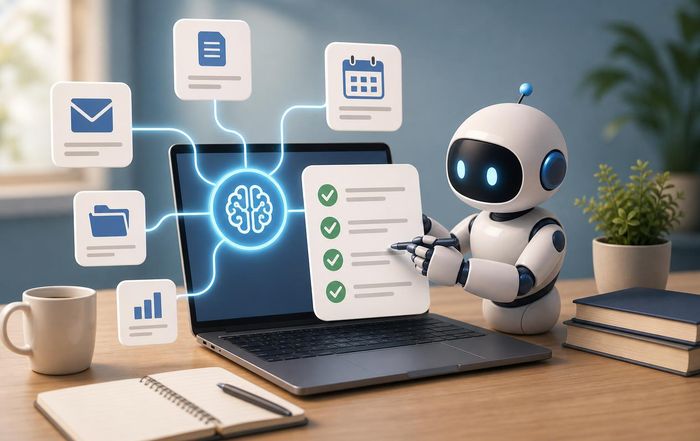
By 2026, digital platforms and artificial intelligence have evolved from optional tools into core infrastructure for self-employed professionals across sectors. Project management systems, automation platforms, and AI-driven assistants now function as de facto managers, providing structure, reminders, analytics, and even strategic recommendations. For independent consultants in New York, designers in Barcelona, or developers in Seoul, these tools create a layer of accountability and clarity that was once available only within corporate environments.

Project management platforms such as Asana, Trello, and Monday.com allow self-employed professionals to break complex engagements into tasks, assign deadlines, and visualize progress, which is essential for maintaining motivation on long-term projects. Communication platforms like Slack and Microsoft Teams support collaboration with clients and subcontractors across continents, ensuring that remote relationships remain transparent and efficient. Increasingly, AI tools integrated into these systems provide intelligent suggestions on task prioritization, workload balancing, and even drafting client communications. Professionals who understand how to leverage these tools, as explored on creatework.com/technology, can significantly reduce administrative overhead and focus their energy on high-value work.

Automation and AI are also reshaping how self-employed professionals manage repetitive tasks such as scheduling, invoicing, and reporting. For example, a freelance marketer in Singapore might use AI scheduling tools that automatically coordinate meetings across time zones, while an independent accountant in Toronto could rely on AI-enabled bookkeeping software that categorizes expenses and flags anomalies. By offloading routine tasks to machines, these professionals free up cognitive bandwidth for strategy, creativity, and client relationships-activities that tend to be intrinsically motivating. Further insights on integrating automation into self-employed workflows can be found at creatework.com/ai-automation, which examines both the opportunities and the responsible use of AI in independent work.

Continuous Learning as a Driver of Long-Term Engagement

In a global economy characterized by rapid technological innovation and shifting regulatory frameworks, self-employed professionals must treat learning as an ongoing investment rather than a one-time credential. Fields such as data science, cybersecurity, digital marketing, and AI-driven design are evolving so quickly that skills acquired even a few years ago can become partially obsolete. Professionals who fail to keep pace risk losing competitive advantage, which in turn undermines both revenue potential and motivation.

Online education platforms such as Coursera, edX, and Udacity have made it possible for freelancers and independent consultants in regions as diverse as India, South Africa, Brazil, Japan, and Canada to access world-class training from universities and industry leaders. A self-employed financial analyst in Frankfurt, for instance, can deepen expertise in algorithmic trading or sustainable finance, while a UX designer in Melbourne can learn advanced prototyping techniques or accessibility standards. Each new skill not only expands the professional's service portfolio but also reinforces a sense of progress and relevance, which are powerful motivators in their own right. Those seeking structured guidance on which skills to prioritize can explore creatework.com/upskilling, which maps current and emerging competencies to real market demand.

Organizations such as the World Bank and the International Labour Organization have emphasized that continuous learning is particularly important for self-employed workers in emerging markets, where access to local training may be limited but global digital platforms offer a bridge to international standards. As self-employed professionals adopt a mindset of lifelong learning, they are better able to adapt to sectoral shifts, negotiate higher fees, and enter new markets, all of which contribute to sustained motivation and confidence.

Building Networks to Counter Isolation and Expand Opportunity

One of the less visible but highly consequential challenges of self-employment is professional isolation. In traditional employment, colleagues, mentors, and informal office interactions provide emotional support, feedback, and a sense of belonging. When professionals shift to freelancing or solo entrepreneurship, particularly in remote or cross-border contexts, these sources of connection can disappear. Over time, isolation can undermine motivation, reduce exposure to new ideas, and limit opportunities for collaboration.

To counter this, successful self-employed professionals in 2026 treat networking as a core business function rather than a secondary activity. Professional platforms such as LinkedIn have become global marketplaces for expertise, where independent workers can showcase portfolios, share insights, and connect with decision-makers across industries and geographies. Specialized communities on platforms like GitHub for developers or Behance for creatives serve as both networking spaces and reputational ecosystems. For many, local and regional coworking spaces-from hubs in Amsterdam and Barcelona to innovation centers in Nairobi and Bangkok-provide hybrid environments that combine infrastructure with community, helping to restore the social dimension of work.

Government and institutional initiatives also play a role. In the United Kingdom, resources accessible through GOV.UK support small businesses and self-employed workers with guidance on regulation, finance, and growth, often accompanied by networking events and mentorship programs. In Singapore, organizations such as Enterprise Singapore and various startup ecosystems foster connections among founders, freelancers, and investors. For readers of creatework.com/freelancers, understanding how to tap into both digital and physical networks is critical not only for lead generation but also for maintaining motivation through shared experiences, peer accountability, and collaborative problem-solving.

Financial Structure as a Foundation for Confidence

Regardless of geography, few factors influence motivation as strongly as financial stability. Self-employed professionals in North America, Europe, Asia, and beyond must navigate variable income, tax complexity, and responsibility for their own benefits. Without robust financial systems, even highly successful freelancers and entrepreneurs can experience chronic stress, which erodes focus, creativity, and long-term drive.

A disciplined approach to financial management typically includes clear separation of business and personal accounts, systematic budgeting to handle irregular cash flows, and the creation of emergency reserves to cushion slow periods or unexpected disruptions. Modern financial tools such as QuickBooks, Xero, and cloud-based banking platforms make it easier for independent professionals to track income, expenses, and profitability in real time. In countries like Germany, France, and Italy, where tax and social security systems for the self-employed can be intricate, working with specialized advisors or leveraging government information portals such as Bundesfinanzministerium or Service-Public.fr can prevent costly errors and reduce uncertainty.

For strategic guidance on building sustainable financial foundations, self-employed professionals can refer to creatework.com/finance and creatework.com/money, which address topics ranging from pricing models and cash-flow management to long-term wealth building. International bodies such as the International Monetary Fund and national financial literacy initiatives also provide valuable context on managing risk in volatile economic cycles. When finances are structured and predictable, motivation is less likely to be derailed by short-term fluctuations, enabling professionals to focus on growth, innovation, and client value.

Aligning Work with Lifestyle and Well-Being

Sustained motivation in self-employment is not solely a function of professional systems; it is also deeply influenced by health, lifestyle, and personal values. Across countries such as Australia, New Zealand, Norway, and Canada, there is growing recognition that high performance is inseparable from physical and mental well-being. The World Health Organization and national health agencies consistently highlight the impact of sleep, exercise, and stress management on cognitive performance and resilience, which are critical for independent professionals who must continually make strategic decisions and manage complex client relationships.

Self-employed individuals who design their work to support, rather than undermine, their health tend to experience more stable motivation. This could mean setting firm boundaries on working hours, integrating regular physical activity into daily routines, or incorporating practices such as mindfulness and reflection. In Thailand and Bali, for example, many digital professionals integrate yoga and meditation into their schedules, while in Sweden and Norway, outdoor activities and time in nature play a central role in maintaining energy and clarity. Insights on integrating lifestyle and work in a balanced way are explored at creatework.com/lifestyle, where the emphasis is on building a sustainable rhythm rather than short-term intensity.

For many self-employed professionals, aligning work with lifestyle also involves geographic decisions. Remote work infrastructure now allows consultants in Lisbon, designers in Cape Town, or developers in Ho Chi Minh City to serve clients worldwide, enabling them to choose locations that support their preferred way of living. When lifestyle and work are congruent, motivation is less likely to be undermined by chronic fatigue or misalignment between personal and professional priorities.

Reconnecting with Purpose in a Changing World

Over time, even the most disciplined self-employed professionals can lose connection with the deeper reasons they chose independence. Market changes, demanding clients, and administrative burdens can gradually shift focus from purpose to mere survival, draining motivation. In 2026, with global challenges ranging from climate change to technological disruption, many professionals are re-examining how their work contributes to broader societal and economic outcomes.

Purpose-driven motivation is strengthened when individuals periodically step back to reassess their direction, values, and impact. A social entrepreneur in South Africa working on educational access, a sustainability consultant in Switzerland advising on decarbonization, or a creative director in Los Angeles telling underrepresented stories may all experience renewed motivation when they reconnect their daily tasks with the larger missions they serve. International frameworks such as the United Nations Sustainable Development Goals provide one lens through which self-employed professionals can align their work with global priorities, whether in clean energy, inclusive growth, or digital inclusion. Learning more about sustainable business practices through organizations like the UN Global Compact can help professionals integrate impact considerations into their strategies without sacrificing profitability.

For those in creative, strategic, or knowledge-intensive fields, revisiting early projects, client testimonials, or personal milestones can also be a powerful way to restore motivation. Stories and examples on creatework.com/creative demonstrate how professionals across continents have reframed their careers to better reflect their evolving sense of purpose, often leading to both renewed enthusiasm and improved business outcomes.

The Role of Creatework.com in a Self-Employed Future

As self-employment continues to expand across North America, Europe, Asia, Africa, and South America, the need for trusted, experience-based guidance has never been greater. creatework.com positions itself as a partner in this transition, offering frameworks, tools, and insights that help individuals not only enter self-employment but thrive within it. From practical resources on remote work models and business startup strategy to deeper analyses of technological shifts and labor trends, the platform is built to support the long-term motivation and resilience of independent professionals.

By integrating expertise on business design, financial planning, technology adoption, skill development, and lifestyle architecture, creatework.com emphasizes that motivation is not an accidental byproduct of passion but the outcome of deliberate systems and informed decisions. In 2026, as more professionals choose autonomy over traditional employment, those who understand how to architect their motivation-through clear goals, structured routines, intelligent use of technology, continuous learning, robust networks, financial discipline, lifestyle alignment, and a strong sense of purpose-will be best positioned to build sustainable, rewarding, and future-proof self-employed careers.

For global professionals navigating this landscape, the path ahead is demanding but full of opportunity. With the right structures and support, self-employment can offer not only flexibility and independence but also enduring motivation, professional growth, and meaningful impact in a rapidly changing world.

Easy Ways to Make More Money from Home Using Just a Laptop

Last updated by Editorial team at creatework.com on Tuesday 6 January 2026
Easy Ways to Make More Money from Home Using Just a Laptop

The Laptop-Powered Economy: How Professionals Earn, Build, and Grow in 2026

A New Era of Work, Built Around the Laptop

By 2026, the digital economy has evolved into a highly interconnected ecosystem in which individuals can build careers, launch companies, and manage global operations from virtually any location with a stable internet connection. What once began as an experimental side hustle culture has matured into a mainstream economic force, with millions of freelancers, remote employees, and digital entrepreneurs treating their laptops as their primary business infrastructure. For the audience of creatework.com, this transformation is not an abstract trend; it is a lived reality that shapes daily decisions about income, lifestyle, and long-term professional growth.

The modern laptop worker is no longer constrained by local job markets, rigid office hours, or traditional employment hierarchies. Instead, they participate in a borderless marketplace where expertise, reliability, and digital fluency matter more than geography. From the United States and United Kingdom to Germany, Canada, Australia, and rapidly growing hubs across Asia, Africa, and South America, professionals are using their laptops to earn from home, collaborate across time zones, and access clients and employers that were inaccessible just a decade ago. Learn more about how remote work reshapes modern careers.

For creatework.com, the focus is firmly on sustainable, long-term approaches to earning money from home, avoiding speculative schemes and emphasizing tested strategies such as freelancing, remote employment, digital products, and online businesses. The site's readers are not simply looking for convenience; they are seeking financial independence, career resilience, and the ability to design a lifestyle that aligns with their values. In this context, the laptop is not merely a device; it is a portable office, a gateway to global markets, and the central tool in a new era of work.

Explore how remote work is redefining professional life.

Freelancing in 2026: Professionalized, Global, and Highly Competitive

Freelancing has matured into a professionalized sector of the global economy, supported by sophisticated platforms, digital payment systems, and a growing recognition from businesses that on-demand talent can match or exceed the quality of traditional hires. Global marketplaces such as Upwork, Fiverr, and Toptal remain important entry points, but experienced professionals increasingly move toward direct client relationships, niche communities, and premium networks that prioritize expertise over volume.

In markets like North America, Western Europe, and Asia-Pacific, organizations ranging from early-stage startups to large enterprises now rely on distributed freelance teams for everything from software development and UX design to content strategy and data analysis. Reports from institutions like the World Economic Forum highlight that while automation will continue to reshape employment, it is simultaneously creating demand for specialized digital skills and project-based work. Learn more about the future of jobs and digital skills.

For freelancers, this environment brings both opportunity and responsibility. Those who thrive in 2026 are typically those who treat freelancing as a business rather than a side gig. They invest in personal branding on platforms like LinkedIn, maintain professional websites or portfolios, and adopt structured processes for proposals, contracts, and client communication. They also leverage modern tools for invoicing, time tracking, and international payments, allowing them to serve clients in the United States, United Kingdom, Germany, Singapore, or Australia without friction.

On creatework.com, freelancing is presented as a realistic, scalable path to income for individuals who are willing to develop marketable skills, deliver consistently, and build a reputation over time. The site emphasizes that sustainable freelancing is not built on underpricing or chasing every opportunity; it is built on positioning, specialization, and the ability to demonstrate measurable value to clients.

Learn how freelancers are redefining employment and income.

Building Online Businesses: From Concept to Global Reach

Parallel to the growth of freelancing is the continued rise of laptop-first businesses that can be launched and operated with minimal physical infrastructure. In 2026, entrepreneurs worldwide are using platforms like Shopify, WooCommerce, and Etsy to run e-commerce operations, while others build software-as-a-service products, membership communities, and digital education brands. For these founders, the laptop is the command center from which they manage product development, customer acquisition, and global logistics.

E-commerce has become more sophisticated and competitive, but it remains accessible to individuals who can identify underserved niches, craft compelling value propositions, and leverage data-driven marketing. Entrepreneurs in Canada, France, Italy, Spain, Brazil, and South Africa are using targeted advertising, search engine optimization, and influencer partnerships to reach customers across continents. Learn more about global e-commerce trends and digital trade.

Digital products-such as online courses, templates, software tools, and premium content-continue to attract creators who want scalable income without the complexity of physical inventory. Platforms like Teachable, Gumroad, and Kajabi allow knowledge workers, consultants, and creatives to package their expertise into products that can be sold to audiences in Europe, Asia, and beyond. This model aligns closely with the values of creatework.com readers, who often seek ways to transform their professional experience into intellectual property that can generate recurring revenue.

Affiliate marketing remains a complementary strategy for many laptop-based businesses. By creating high-quality content-through blogs, newsletters, or video channels-and recommending trusted products or services, individuals can earn commissions without handling fulfillment or customer support. However, long-term success in affiliate models increasingly depends on transparency, genuine expertise, and alignment with audience needs, reflecting a broader shift toward trust-based digital commerce.

Explore how to turn ideas into online businesses.

The Creator Economy: Monetizing Expertise and Creativity

The global creator economy has expanded significantly by 2026, with millions of individuals earning income through platforms such as YouTube, Twitch, TikTok, Patreon, and Substack. What distinguishes the current stage of the creator economy from earlier waves is the increased emphasis on professionalization, diversification of revenue, and community-building. Creators are no longer relying solely on advertising; they are combining sponsorships, digital products, memberships, and consulting services into integrated business models.

For professionals in United States, United Kingdom, Germany, Japan, and South Korea, video and audio content have become powerful channels for demonstrating expertise in fields like technology, finance, entrepreneurship, and personal development. With a laptop, high-quality microphone, and editing software, they can produce content that reaches global audiences and positions them as trusted voices in their domains. Learn more about how digital media is reshaping business communication.

Blogging and newsletter publishing have also experienced a resurgence as professionals seek deeper, more direct relationships with their audiences. Platforms such as Substack and Beehiiv enable writers, analysts, and consultants to build subscription-based newsletters that offer specialized insights, whether focused on global macroeconomics, startup strategy, or remote work best practices. For creatework.com, this evolution underscores the importance of consistent, high-quality content that not only attracts traffic but builds long-term trust.

Creative asset marketplaces add another dimension to laptop-based income. Photographers sell stock images through Adobe Stock, musicians distribute work via Bandcamp, and designers market templates and themes on Envato. The integration of AI-assisted creative tools has accelerated production, but it has also increased competition, making originality, brand identity, and niche positioning more important than ever.

Discover how creative professionals build sustainable online careers.

Remote Employment: Corporate Structures Without Borders

While entrepreneurship and freelancing receive substantial attention, remote employment remains the preferred path for many professionals who value stability, benefits, and a clear organizational structure. Since the early 2020s, leading organizations such as Microsoft, GitLab, Shopify, and Automattic have demonstrated that remote-first and hybrid models can deliver strong performance, attract global talent, and reduce real estate costs. By 2026, this approach has spread across industries including technology, finance, consulting, education, and healthcare services.

Job boards like We Work Remotely, RemoteOK, and FlexJobs now serve as central gateways for candidates in Europe, Asia, Africa, and Latin America who are seeking roles with employers headquartered in North America or other regions. These platforms often highlight positions in software engineering, data science, digital marketing, customer success, product management, and online education. Learn more about the evolution of remote hiring and virtual teams.

For workers, remote employment offers the ability to earn competitive salaries from locations with lower costs of living, a trend visible in the growing communities of professionals in Portugal, Thailand, Malaysia, and Mexico who work for companies based in United States or United Kingdom. However, success in remote roles requires strong communication skills, self-management, and comfort with asynchronous collaboration. Employers increasingly assess candidates not only on technical capabilities but also on their ability to thrive in distributed environments.

creatework.com addresses this shift by helping readers understand how to position themselves for remote roles, how to negotiate flexible arrangements, and how to navigate cross-border employment considerations such as taxation, compliance, and time zone management. The site's employment-focused resources emphasize that remote work is not simply about location freedom; it is about building a resilient, future-ready career.

Explore remote employment and global job opportunities.

Managing Money from a Laptop: From Income to Wealth

As income opportunities become more flexible and globally distributed, effective money management has become a core competency for laptop-based professionals. In 2026, digital finance tools give individuals unprecedented control over budgeting, saving, investing, and cross-border transactions, but they also require a higher level of financial literacy and discipline.

Personal finance applications such as Mint, YNAB (You Need A Budget), and Revolut enable freelancers, entrepreneurs, and remote employees to track income from multiple sources, categorize expenses, and set automated savings rules. These tools are particularly useful for individuals who work with international clients or employers, as they often integrate multi-currency accounts and real-time exchange rate information. Learn more about effective budgeting and digital banking.

On the investment side, platforms like Vanguard, Fidelity, Interactive Brokers, and eToro allow individuals to build diversified portfolios across global equity, bond, and ETF markets directly from their laptops. Real estate crowdfunding platforms and digital REITs provide access to property investments without the need for physical management, while regulated cryptocurrency exchanges such as Coinbase and Kraken continue to attract investors who are comfortable with higher volatility and are attentive to evolving regulatory frameworks.

For the creatework.com audience, the objective is not speculation but long-term wealth creation. The site emphasizes principles such as building emergency funds, separating business and personal finances, understanding tax obligations across jurisdictions, and using investment vehicles that align with risk tolerance and time horizons. This perspective reinforces the idea that earning money from home is only the first step; transforming that income into financial resilience is the real goal.

See financial strategies for modern laptop workers.Explore deeper guides on digital finance and wealth building.

Productivity, Technology, and AI: Working Smarter, Not Just Harder

The effectiveness of any laptop-based career or business hinges on the ability to manage time, focus, and collaboration. In 2026, digital productivity tools and AI-driven platforms have become essential components of professional workflows, especially for those juggling multiple clients, projects, or income streams.

Project management applications such as Asana, Trello, and Notion help individuals and teams structure tasks, set priorities, and maintain visibility over complex initiatives. Communication platforms like Slack, Zoom, and Microsoft Teams enable real-time and asynchronous collaboration across continents, making it possible for teams in United States, India, Germany, and South Africa to operate as if they were in the same office. Learn more about collaboration tools and distributed work practices.

Artificial intelligence has moved from novelty to necessity. Tools for automated transcription, content drafting, data analysis, and workflow automation increasingly underpin how professionals operate. Services like Zapier and Make connect disparate applications, allowing routine tasks such as invoicing, reporting, and file organization to run with minimal manual intervention. At the same time, AI ethics, data privacy, and security have become central concerns, with organizations and individuals turning to guidance from bodies like OECD and ISO on responsible AI deployment.

For creatework.com, technology coverage is framed around practical adoption: how freelancers can use AI to increase billable output without compromising quality, how small businesses can automate customer support or marketing sequences, and how remote employees can protect their data and maintain digital well-being. The emphasis is always on using technology to enhance human expertise rather than replace it.

Read more about AI, automation, and the tools that power modern work.Discover productivity tools that support high-performance remote work.Stay updated on technology trends shaping the workplace.

Designing a Laptop-Based Lifestyle

Beyond income and tools, the rise of laptop-centric work models has profound implications for lifestyle design. Professionals across Europe, Asia, Africa, and Oceania are rethinking where they live, how they structure their days, and what balance between work and personal life truly means.

Digital nomadism, once a niche concept, is now supported by formal policy frameworks in countries such as Portugal, Spain, Estonia, Thailand, and Costa Rica, which offer digital nomad or remote work visas to attract foreign professionals and stimulate local economies. Many workers choose to base themselves in cities like Lisbon, Barcelona, Chiang Mai, or Cape Town, where they can enjoy lower living costs, vibrant communities, and strong internet infrastructure while serving clients or employers located elsewhere. Learn more about sustainable digital nomadism and cross-border work.

However, the laptop lifestyle is not only about travel. For many, especially in United States, Canada, United Kingdom, and Germany, it is about reclaiming time for family, health, and personal development. Remote work allows parents to design schedules around childcare, enables individuals to live outside expensive urban centers, and makes it easier to integrate exercise, hobbies, and learning into daily routines. At the same time, it demands clear boundaries to prevent burnout, digital fatigue, and the erosion of non-work time.

creatework.com approaches lifestyle design as an integral part of professional strategy, offering insights on workspace setup, daily routines, mental health, and long-term planning for those who intend to build entire careers from their laptops. The message is consistent: sustainable success comes from aligning work models with personal values and well-being, not from maximizing hours at the screen.

Learn more about designing a lifestyle around flexible, laptop-based work.

Global and Economic Context: Where Laptop Work Fits In

The laptop-powered economy does not exist in isolation; it is deeply embedded in broader economic, technological, and demographic trends. Organizations like the International Monetary Fund, World Bank, and OECD have documented how digitalization, remote work, and the platform economy are reshaping labor markets, productivity patterns, and cross-border trade. Learn more about global digital economy trends.

In advanced economies such as United States, Germany, Netherlands, and Sweden, high-speed connectivity and supportive regulatory environments have enabled rapid adoption of remote and hybrid work. Meanwhile, emerging markets in India, Nigeria, Kenya, Brazil, and Indonesia are leveraging digital platforms to export services, participate in global value chains, and create new forms of employment that bypass traditional industrial pathways.

For policymakers, the challenge is to ensure that the growth of laptop-based work does not exacerbate inequality or erode worker protections. Discussions around portable benefits, fair platform practices, taxation of digital services, and recognition of cross-border remote workers are ongoing across Europe, Asia, and North America. For individuals, understanding these dynamics helps in making informed decisions about where to live, how to structure business entities, and how to plan for retirement and social security.

creatework.com situates its guidance within this global context, helping readers interpret macro trends and translate them into concrete strategies for their own careers and businesses. By connecting personal decisions-such as starting a freelance practice or launching an online store-to broader economic shifts, the site reinforces a sense of agency and preparedness.

Explore economic perspectives behind the future of work.See how business models evolve in a digital-first world.

Continuous Learning and Future-Proof Skills

In a landscape defined by rapid technological change and evolving business models, continuous learning has become a non-negotiable requirement for laptop workers. The most resilient professionals in 2026 are those who invest regularly in upskilling and reskilling, ensuring that their capabilities remain aligned with market demand.

Online education platforms such as Coursera, edX, Udemy, and FutureLearn provide structured paths into high-growth fields like data science, cybersecurity, AI engineering, digital marketing, and product management. Corporate initiatives like Google Career Certificates and Microsoft Learn offer industry-recognized credentials that can help individuals transition into new roles or strengthen their positioning in existing ones. Learn more about global upskilling initiatives.

For freelancers and entrepreneurs, skill development is directly tied to pricing power and client selection. Those who master advanced tools, understand emerging technologies, and can advise on strategy rather than only execution are better positioned to command premium rates. For remote employees, ongoing learning demonstrates adaptability and commitment-qualities increasingly valued in distributed organizations.

creatework.com encourages readers to view learning as a core part of their work, not an optional extra. Whether through formal courses, peer communities, mentorship, or self-directed experimentation, the objective is to build a portfolio of skills that can weather technological shifts and economic cycles.

Read more about upskilling for the digital economy.

Multiple Income Streams: The Strategic Advantage

One of the defining features of the laptop-powered economy is the relative ease with which individuals can combine different income models. A professional might hold a part-time remote role, freelance for select clients, run a small e-commerce store, and invest in digital assets-all managed from a single laptop. This diversification provides a buffer against downturns in any one area and allows for gradual experimentation without sacrificing core stability.

For example, a software developer in Canada may work remotely for a European company, contribute to open-source projects that enhance reputation, and sell niche developer tools or templates online. A marketing specialist in Australia may consult for startups, run a monetized newsletter on growth strategy, and earn affiliate income by recommending tools they genuinely use. In South Africa or Brazil, a designer might combine international freelance contracts with the sale of digital assets and online workshops for local audiences.

creatework.com positions this multi-channel approach as a strategic advantage rather than a distraction, provided it is executed with clarity and focus. The site's guides emphasize starting with a core income stream-such as freelancing or remote employment-and gradually layering additional, complementary sources that align with one's skills and interests. Over time, this can lead to a robust, resilient personal business model that is less vulnerable to single-point failures.

Access comprehensive guides to building modern income models.

Conclusion: The Laptop as a Platform for Long-Term Opportunity

As of 2026, the laptop stands at the center of a global transformation in how people work, earn, and build businesses. From freelancers and remote employees to creators and entrepreneurs, professionals across continents are using this single device to access markets, manage complex operations, and design lifestyles that were previously out of reach.

For the readers of creatework.com, the message is clear: success in this environment is not about chasing trends or quick wins, but about cultivating expertise, building trust, and making deliberate, informed decisions about work and money. By combining the right skills, tools, and strategies, a laptop is no longer just a piece of hardware-it is the foundation of a sustainable, future-ready career in the digital economy.

Return to creatework.com for more insights on work, money, and digital opportunity.

Working Remotely vs Working in an Office: A Comprehensive Analysis

Last updated by Editorial team at creatework.com on Wednesday 7 January 2026
Working Remotely vs Working in an Office A Comprehensive Analysis

Remote Work vs Office: How Global Work Models Are Really Evolving

Introduction: A Decade That Redefined Where Work Happens

By 2026, the conversation about remote work versus traditional office-based employment has matured from an emergency response to a strategic, long-term decision that shapes competitiveness, culture, and talent access across global markets. Organizations in the United States, United Kingdom, Germany, Canada, Australia, and beyond are no longer simply asking whether remote work is possible; they are asking which configuration of remote, hybrid, and office-based models will best support sustainable growth, innovation, and employee well-being. For the global audience of creatework.com, which includes freelancers, remote employees, founders, and established business leaders, this question is deeply personal, influencing daily routines, income stability, and long-term career strategy. As work continues to transcend borders, industries, and time zones, understanding the real trade-offs between remote and office work has become essential for making informed decisions about employment, business models, and investment in new technologies.

Readers seeking structured, practical guidance on navigating these choices in their own careers and organizations can draw on the broader resources available across CreateWork's guides and insights, which are designed to help professionals evaluate work models through the lenses of flexibility, financial outcomes, and long-term resilience.

From Perk to Infrastructure: How Remote Work Became Normal

The rise of remote work did not begin with the pandemic, but the global crisis of 2020 was the inflection point that turned a niche arrangement into a mainstream operating model. Long before lockdowns, improvements in high-speed internet, secure cloud services, and collaboration platforms had enabled knowledge workers to operate outside traditional offices. However, it was the forced transition during COVID-19-when organizations such as Microsoft, Google, and Twitter shifted entire workforces online almost overnight-that exposed both the viability and the limitations of fully distributed work at scale. Over the following years, governments in regions like the European Union, Singapore, and Canada formalized policies on remote work rights, cross-border taxation, and data protection, turning what had been ad hoc practices into regulated frameworks that employers now must integrate into long-term strategy.

By the mid-2020s, remote work had become a permanent fixture of the global labor market rather than a temporary contingency. Urban centers such as New York City and London saw lasting changes in commuting patterns and office occupancy, while smaller cities and rural areas in countries from France to New Zealand attracted professionals who no longer needed to live near corporate headquarters. For independent professionals, this shift was particularly transformative. Freelancers, consultants, and digital nomads found that they could serve clients in North America, Europe, Asia, Africa, and South America without relocating, building geographically diversified income streams that are explored more deeply in the dedicated section on freelancers and independent work at creatework.com.

The Strategic Advantages of Remote Work in 2026

Remote work's appeal remains rooted in flexibility, but in 2026 its value proposition has expanded into something more structural and strategic. Organizations have discovered that when remote work is executed with clear processes, robust digital infrastructure, and thoughtful leadership, it can become a competitive differentiator rather than simply a lifestyle benefit. Research discussed by publications such as Harvard Business Review has consistently linked autonomy and control over work schedules to higher engagement, lower turnover, and improved performance, particularly among knowledge workers whose output is not tied to physical presence. This autonomy is especially important for globally distributed teams working across time zones in regions such as Asia-Pacific, Europe, and North America, where asynchronous collaboration is now a standard practice rather than an exception.

Another major advantage of remote work is unrestricted access to global talent. A company headquartered in Germany can hire engineers in Poland, product managers in Singapore, and marketing strategists in Brazil, building truly international teams that reflect diverse perspectives and market insights. This shift has been supported by platforms like Upwork and Toptal, as well as global employment solutions such as Deel and Remote.com, which help organizations navigate complex cross-border hiring rules. For professionals, this global access means that career opportunities are no longer constrained by local job markets, a change that has been particularly impactful in emerging economies and smaller cities. Those interested in understanding how remote work intersects with financial planning, income diversification, and pricing strategies can explore the dedicated section on money and work at creatework.com, which focuses on practical approaches to building sustainable earnings in a borderless labor market.

Remote work also delivers tangible financial benefits to both employers and employees. Organizations can reduce expenses related to office leases, utilities, and on-site services, reallocating capital to technology, product development, or talent acquisition. Workers, in turn, save on commuting costs, work attire, and daily meals, while reclaiming hours previously spent in traffic or on crowded public transport. Studies summarized by Global Workplace Analytics and similar research groups have estimated thousands of dollars in annual savings for typical remote workers, and these savings compound over time to influence broader household financial stability and investment capacity. For many professionals in cities such as Toronto, Sydney, Paris, and Madrid, the ability to relocate to more affordable regions while maintaining metropolitan-level income has fundamentally reshaped lifestyle choices and long-term planning.

Why Offices Still Matter: The Enduring Strengths of In-Person Work

Despite the clear advantages of remote work, the traditional office has not disappeared, and in many industries it remains central to how organizations operate. Office-based work continues to offer unique benefits that are difficult to replicate fully in virtual environments, particularly around culture, collaboration, and early-career development. In-person interaction enables spontaneous conversations, rapid problem-solving, and unstructured idea exchange that often lead to innovation in sectors such as advanced manufacturing, financial services, media, and high-tech product development. Informal encounters in shared spaces-hallways, meeting rooms, cafeterias-can accelerate decision-making and strengthen interpersonal trust in ways that scheduled video calls rarely match.

Corporate culture is another domain where physical offices maintain a strong presence. Organizations like Apple and Goldman Sachs have publicly emphasized the importance of in-office engagement for reinforcing shared values, aligning teams with strategic priorities, and maintaining a cohesive sense of identity. Leaders can model behaviors, mentor staff, and communicate complex strategic shifts more effectively when they are physically present with their teams. This is particularly important for onboarding new hires, especially younger employees or those making cross-industry transitions, who benefit from observing how experienced colleagues interact with clients, negotiate with partners, or resolve internal conflicts. Professional networking, too, remains more organic in physical environments, where informal introductions and chance encounters often lead to new project opportunities or career moves.

For many professionals, the structured environment of an office is also a practical advantage. Not everyone has access to a quiet, ergonomic, and secure home workspace, particularly in dense urban housing markets in Tokyo, Seoul, Hong Kong, or Barcelona. Offices provide reliable infrastructure, specialized equipment, and IT support, as well as clear boundaries between personal and professional life. In heavily regulated industries such as healthcare, finance, and defense, physical offices or secure facilities remain essential for compliance and risk management, given the sensitivity of data and the need for controlled access. Organizations evaluating how physical offices fit into their broader operating models can find strategic perspectives in the business and management section of creatework.com, where the focus is on designing work environments that align with organizational goals and regulatory requirements.

Technology as the Connective Tissue of Modern Work

The evolution of both remote and office-based work has been inseparable from advances in digital technology. Communication platforms such as Slack, Microsoft Teams, and Zoom have become default channels for daily collaboration, while project and workflow tools like Asana, Jira, and Trello coordinate tasks across continents and time zones. Underpinning these tools are cloud infrastructures provided by Amazon Web Services and Google Cloud, which give organizations scalable, secure environments for data storage, analytics, and application hosting. Compliance with frameworks such as the EU's GDPR, Canada's PIPEDA, and similar policies in Japan and Singapore has pushed businesses to invest heavily in cybersecurity, encryption, and identity management, making robust digital security a core component of modern work design rather than an afterthought.

Since 2024, the acceleration of artificial intelligence and automation has further transformed how work is structured. AI-driven assistants can summarize meetings, draft documents, analyze performance data, and even propose workflow optimizations, reducing the cognitive load on teams and allowing them to focus on higher-value tasks. Automation tools streamline repetitive back-office processes in finance, HR, and customer support, enabling both remote and office-based employees to operate more efficiently. For readers interested in how AI is reshaping task allocation, productivity, and job design, creatework.com provides a deeper exploration in its section on AI and automation in the workplace, with a particular focus on how individuals and organizations can adapt their skills and structures to these rapid changes.

Hybrid Work as the Dominant Model

In 2026, hybrid work-where employees split time between remote and in-office locations-has become the default model for many mid-sized and large organizations across North America, Europe, and parts of Asia-Pacific. Companies such as Salesforce and Deloitte have publicly embraced flexible arrangements that allow teams to combine the benefits of home-based focus time with the collaborative energy of periodic in-person meetings. Hybrid models are particularly attractive because they offer a pragmatic balance: they reduce real estate costs, expand access to talent, and support employee preferences for flexibility, while still preserving opportunities for face-to-face collaboration, cultural reinforcement, and mentorship.

However, hybrid work introduces its own set of challenges, especially around equity and inclusion. When some employees are consistently in the office and others are primarily remote, subtle disparities can emerge in access to information, visibility to leadership, and opportunities for advancement. Organizations are responding by rethinking how meetings are structured, how decisions are documented, and how performance is evaluated. Many have adopted "remote-first" norms for communication, ensuring that even employees joining virtually are fully included in discussions and that critical decisions are recorded in accessible digital spaces rather than informal hallway conversations. Asynchronous communication-through shared documents, recorded updates, and written decision logs-has become a central practice in high-performing hybrid teams. Those seeking practical strategies to implement or refine hybrid models can explore broader guidance on remote work and hybrid practices, where creatework.com examines real-world approaches used across diverse industries and regions.

Economic and Urban Impacts of Changing Work Patterns

The shift toward remote and hybrid work has had significant macroeconomic consequences, reshaping real estate markets, urban planning, and regional development strategies. Major business districts in cities like San Francisco, London, and Frankfurt have experienced persistent reductions in daily foot traffic, affecting commercial landlords, retail stores, restaurants, and public transportation systems. Municipal governments and planning authorities are now rethinking zoning, transportation investments, and incentives to attract new types of tenants, including flexible coworking operators, education providers, and residential developers. Reports from organizations such as the Organisation for Economic Co-operation and Development and the World Economic Forum have highlighted how remote work can both strain and revitalize local economies, depending on how quickly they adapt to changing patterns of demand.

At the same time, smaller cities, suburbs, and rural regions across Italy, Spain, Portugal, Canada, and South Africa have benefited from an influx of remote workers seeking lower costs of living and better quality of life. This redistribution of talent has the potential to reduce regional inequalities, but it also raises questions about infrastructure, housing affordability, and local labor markets. Governments in Estonia, Thailand, and Brazil, among others, have introduced digital nomad visas and tax incentives to attract location-independent professionals, hoping to stimulate local economies through foreign income and spending. For a deeper examination of how these trends intersect with global and national economies, readers can consult the economy-focused analysis provided by creatework.com, which looks at how shifting work patterns affect GDP, labor participation, and productivity across continents.

Well-Being, Mental Health, and the Human Side of Work

Both remote and office-based work have profound implications for mental and physical health, and by 2026 organizations have come to recognize well-being as a strategic priority rather than a peripheral perk. Remote workers often enjoy reduced stress from commuting and greater control over their daily routines, which can support healthier lifestyles, more time for family, and better sleep. However, they may also face risks of social isolation, blurred boundaries between work and personal life, and the tendency to extend working hours into evenings and weekends. Research and guidance from bodies such as the World Health Organization and national health agencies have emphasized the importance of clear boundaries, regular breaks, and intentional social connection for remote workers, encouraging employers to provide mental health resources, virtual counseling, and training for managers to recognize early signs of burnout.

Office-based employees, conversely, benefit from daily in-person interaction, more visible support networks, and clearer separation between home and work, but they may experience stress from commuting, rigid schedules, and exposure to office politics or high-pressure environments. Physical health considerations also differ: while offices often provide ergonomic furniture and dedicated workspaces, long commutes and sedentary desk time can reduce daily activity levels. Remote workers may have more freedom to integrate exercise and healthy meals into their routines, but they frequently lack professional ergonomic setups, leading to musculoskeletal issues. For individuals seeking practical approaches to designing healthier routines regardless of work location, creatework.com offers additional perspectives in its section on work, lifestyle, and well-being, focusing on realistic habits that can be sustained over the long term.

Leadership, Management, and New Skills for a Distributed Era

Leading teams effectively in 2026 requires managers to master different skills depending on whether their teams are primarily remote, office-based, or hybrid. Remote leadership demands clarity, trust, and outcome-based management. Organizations such as GitLab and Automattic, which have operated fully remote for years, have demonstrated the importance of detailed documentation, transparent decision-making, and explicit norms for communication. Managers must articulate expectations clearly, provide regular feedback through digital channels, and create spaces for informal connection that help maintain team cohesion across distances. They also need to develop sensitivity to cultural differences when leading teams that span regions such as Europe, Asia, Africa, and South America, where communication styles, holidays, and work norms may vary significantly.

In-office leadership, while more familiar to many, is also evolving. Managers continue to rely on face-to-face interactions for coaching, conflict resolution, and performance discussions, but they increasingly integrate digital tools to support data-driven decision-making and to coordinate with colleagues who may not be on-site every day. Hybrid leadership is arguably the most complex, requiring managers to ensure that remote team members have equal access to information, opportunities, and recognition. This often involves rethinking meeting formats-ensuring that all participants join through the same digital interface even when some are in the office-and standardizing how progress is tracked and communicated. For leaders and founders looking to build or refine their management capabilities in this new environment, the business and leadership guidance at creatework.com offers frameworks and practical approaches tailored to teams of different sizes and levels of global distribution.

Skills, Upskilling, and Career Strategy in a Fluid Work Landscape

As the boundaries between remote and office work blur, one of the most critical factors in long-term employability is continuous learning. Automation and AI are reshaping job descriptions across sectors, from finance and marketing to logistics and customer service, and professionals must adapt by acquiring new technical, analytical, and interpersonal skills. Institutions such as Coursera, edX, and LinkedIn Learning have become central to adult education, offering flexible, online courses that align with remote work lifestyles and global career ambitions. Employers in Singapore, Finland, Norway, and South Korea are investing heavily in reskilling initiatives, recognizing that the ability to transition employees into new roles is critical for competitiveness in rapidly changing markets.

For individuals navigating these transitions-whether they are freelancers expanding their service offerings, employees preparing for promotion, or entrepreneurs building new ventures-strategic upskilling is essential. creatework.com addresses this need through its dedicated focus on upskilling and career development, helping readers identify which capabilities are most valuable in remote, hybrid, and office-based environments, and how to prioritize learning investments given limited time and resources.

Startups, Finance, and Strategic Choices About Where Work Happens

For startups and small businesses, the decision to operate remotely, in-office, or in a hybrid configuration has direct implications for cost structures, fundraising, and growth trajectories. Remote-first startups can often launch with minimal overhead, avoiding long-term leases and expensive city-center offices, which is particularly attractive in high-cost hubs such as San Francisco, London, and Zurich. This lean approach allows founders to allocate more capital to product development, marketing, or hiring specialist talent from global markets. However, certain types of startups-especially those in hardware, biotech, or advanced manufacturing-may require physical labs, workshops, or testing facilities, making at least a partial in-person presence unavoidable.

Investors increasingly evaluate workplace strategies as part of their due diligence, assessing whether a startup's chosen model supports its product, customer base, and talent strategy. Strong remote or hybrid setups can signal operational maturity and scalability, while a thoughtful office strategy can convey commitment to culture and long-term stability. For entrepreneurs weighing these trade-offs, creatework.com provides targeted insights in its section on starting and scaling a business, as well as broader financial perspectives in its finance and money management coverage, which address how workplace decisions influence cash flow, runway, and valuation.

Conclusion: Designing Work Models That Reflect Real Human and Business Needs

By 2026, the debate between remote work and office-based employment is no longer about choosing a single "correct" model; it is about designing flexible, resilient systems that reflect the realities of global markets, technological change, and human needs. Remote work offers unparalleled flexibility, access to worldwide talent, and potential cost savings, while offices remain powerful environments for culture, collaboration, and early-career development. Hybrid work has emerged as the dominant approach because it acknowledges that different tasks, teams, and individuals thrive under different conditions, and that these needs may change over time.

For the global community that turns to creatework.com, the most important question is not whether remote or office work is inherently better, but how to align work models with personal goals, organizational strategy, and broader economic trends. Freelancers must decide how location independence fits with their client base and lifestyle; employees must evaluate which environments best support their productivity and well-being; founders and executives must choose structures that balance cost efficiency, innovation, and talent attraction. Across all these decisions, the common thread is the need for informed, evidence-based choices grounded in experience, expertise, and trust.

As work continues to evolve toward 2030 and beyond, those who thrive will be the individuals and organizations willing to experiment thoughtfully, learn from data and lived experience, and place human outcomes at the center of their strategies. creatework.com remains dedicated to supporting that journey-across remote work, business and leadership, money and finance, technology and automation, and the broader future of employment and the global economy-helping readers around the world design work lives and organizations that are not only productive and profitable, but also sustainable, inclusive, and deeply human.

Business Risks for Global Digital Nomads and How to Avoid Them

Last updated by Editorial team at creatework.com on Tuesday 6 January 2026
Business Risks for Global Digital Nomads and How to Avoid Them

Digital Nomads in 2026: Navigating Risk in a Borderless Work Era

The New Reality of Work and the Role of Creatework

By 2026, the idea that meaningful work must be tied to a fixed office has been decisively overturned. Across North America, Europe, Asia-Pacific, Africa, and South America, professionals are building careers that are location-independent, technology-enabled, and deeply global in outlook. Digital nomadism has matured from a lifestyle experiment into a recognized segment of the modern labor market, intersecting with remote employment, cross-border freelancing, and online entrepreneurship. At the same time, this new reality has exposed workers and businesses to a complex mix of financial, legal, technological, and personal risks that are still not fully understood by many of those participating in it.

For the audience of Creatework, which serves freelancers, remote employees, founders, and independent professionals looking to navigate the future of business, technology, employment, and money, this evolution is more than a trend; it is the operating environment in which careers are built and businesses are scaled. As organizations from Airbnb and WeWork to hospitality brands like Selina design products and spaces around location-independent professionals, and as governments from Estonia and Portugal to Thailand and Costa Rica compete with digital nomad visas, the opportunity landscape is expanding rapidly. Yet beneath the surface of flexibility and freedom lies a demanding reality that requires structure, strategy, and a disciplined approach to risk.

Professionals who rely on remote income streams, operate across borders, and leverage advanced digital tools must now think like global businesses, even when they are teams of one. This is where platforms such as Creatework are increasingly central: by curating guidance on topics like freelancing and independent work, remote work models, global business strategy, and the evolving economy, they help individuals build careers that are not only flexible but also sustainable, compliant, and resilient.

Financial Risk in a Borderless Career

Income Volatility and Overreliance on Key Clients

For many digital nomads, income still resembles a roller coaster more than a predictable salary. Project-based work, seasonal demand, and shifting client priorities make revenue inherently unstable, especially for those in creative, marketing, or technology roles. A web developer in Berlin or a UX designer in Toronto who depends on two or three anchor clients risks immediate disruption if even one contract is paused or terminated, particularly during macroeconomic downturns or sector-specific slowdowns.

The most resilient professionals now treat their income as a portfolio rather than a single stream, blending long-term retainers, short-term projects, and recurring revenue products such as templates, membership communities, or specialized newsletters. Many combine client work with educational offerings on platforms like Udemy or Teachable, or license creative assets through marketplaces such as Creative Market. Those who adopt this diversified approach are better positioned to withstand global shocks, from policy changes in the United States that affect tech budgets to currency swings that impact purchasing power in Europe or Asia. For practical frameworks on building multi-layered income models and managing irregular cash flow, the resources at Creatework Money and Creatework Finance provide targeted, implementation-focused guidance.

Tax Complexity, Residency, and Double Taxation

As cross-border work becomes normal, tax complexity has outpaced the awareness of many nomads. Countries such as the United States continue to apply citizenship-based taxation, while others, including Spain, France, and Italy, base obligations on physical presence thresholds or center-of-life criteria. A consultant who spends several months per year in Portugal, works for clients in the United Kingdom, and maintains a home base in Canada may inadvertently trigger multi-jurisdictional tax exposure without understanding how residency is formally determined.

Authorities worldwide are tightening enforcement, supported by data-sharing frameworks like the OECD's Common Reporting Standard, which increases transparency around international accounts. Professionals who rely on informal assumptions or outdated advice risk fines, back taxes, and in some cases legal proceedings. To mitigate this, experienced nomads increasingly work with cross-border tax specialists and leverage resources from organizations such as the Internal Revenue Service in the US or HM Revenue & Customs in the UK to understand baseline rules. Those planning long-term location-independent careers benefit from building a coherent tax strategy early, aligning residency, business structure, and banking. Creatework's coverage of global financial planning at Creatework Finance and its broader guide content help professionals translate complex regulations into actionable steps.

Currency Risk, Payments, and Access to Credit

Operating across multiple currencies introduces both hidden costs and strategic opportunities. A UK-based freelancer billing US clients in dollars, a Canadian designer charging euro-area startups, or an Australian consultant contracting with firms in Singapore and Japan all face fluctuating exchange rates that can materially alter real income. When combined with platform fees from providers such as PayPal, Stripe, or Wise, the effective take-home pay may diverge significantly from nominal rates.

To manage this, sophisticated digital nomads increasingly use multi-currency accounts and business banking tools that allow them to hold, convert, and deploy funds strategically. Providers like Wise Business, Revolut Business, and region-specific fintech platforms offer capabilities that were unavailable just a few years ago, enabling professionals to time conversions, reduce friction, and simplify cross-border invoicing. However, even with better tools, many nomads still struggle to access traditional credit, mortgages, or investment products because their income does not fit conventional employment patterns. This misalignment between modern work and legacy financial systems remains a structural risk, particularly in markets like Germany, Switzerland, or Netherlands, where documentation standards are stringent. Building robust records, formal contracts, and a clear legal entity can significantly improve perceived creditworthiness over time.

Legal and Compliance Exposure

Visa Regimes, Overstays, and Informal Work

While digital nomad visas and remote work permits have expanded in countries such as Croatia, Estonia, Greece, and Costa Rica, the legal landscape remains fragmented. Many professionals still work remotely while holding tourist visas in destinations like Thailand, Indonesia, or Mexico, sometimes unaware that local authorities may interpret this as unauthorized work, particularly when services are provided to local clients or when stays exceed formal limits. Overstays can lead to fines, deportation, and entry bans that affect future mobility across entire regions.

Governments are increasingly sophisticated in tracking entries, exits, and digital activity, and as remote work becomes mainstream, enforcement is expected to increase rather than decline. Serious digital nomads now approach visa planning with the same rigor they apply to tax and finance, reviewing official government portals, consulting immigration professionals, and choosing destinations whose regulations align with their intended business model. For those designing long-term global lifestyles, the structured guidance available through Creatework Guide is particularly relevant, as it frames mobility decisions within a broader business and compliance strategy.

Employment Law, Contractor Status, and Misclassification

The line between independent contractor and employee has become a central regulatory concern in countries including the United States, United Kingdom, Germany, Canada, and Australia. Authorities are scrutinizing arrangements where individuals labeled as freelancers effectively function as employees, with set hours, exclusive relationships, and managerial oversight. For digital nomads, this risk can run in both directions: they may be misclassified by clients seeking to avoid payroll obligations, or they may inadvertently violate local laws that restrict certain forms of self-employment.

In Germany, for example, the concept of "Scheinselbstständigkeit" (false self-employment) can trigger retroactive social security contributions and penalties for both the worker and the client. In the UK, IR35 rules have reshaped how contractors operate with domestic firms. Remote professionals working with clients in such jurisdictions must ensure that contracts, working practices, and invoicing structures align with local definitions. This has led many to adopt formal business entities, use employer-of-record services, or negotiate clearer boundaries in scope and control.

Intellectual Property, Confidentiality, and Cross-Border Enforcement

Creative and technical professionals-writers, designers, developers, consultants-trade in intellectual property and sensitive information, often across borders. When a developer in Poland builds a software module for a startup in California, or a content strategist in Spain crafts campaigns for a brand in Singapore, questions arise around who owns what, when rights transfer, and which jurisdiction governs disputes. Vague contracts or informal agreements can result in contested ownership, unpaid work, or limitations on portfolio use.

Mature digital nomads now insist on written contracts that explicitly define ownership of code, text, designs, and data, along with confidentiality obligations and dispute resolution mechanisms. They frequently rely on digital signature tools such as DocuSign or HelloSign and standard clauses inspired by best practices from organizations like the World Intellectual Property Organization. While enforcement across borders can still be complex and costly, clear documentation significantly strengthens a professional's position and deters opportunistic behavior.

Technology as Enabler and Threat

Cybersecurity in a Perpetually Mobile Workflow

The digital infrastructure that makes global work possible-cloud applications, shared drives, collaboration platforms, and public networks-also expands the attack surface for cyber threats. Nomads frequently work from cafés, airports, coworking spaces, and short-term accommodations, connecting to Wi-Fi networks whose security they cannot verify. This creates exposure to man-in-the-middle attacks, credential theft, and malware that can compromise not only personal devices but also client systems.

Given the tightening of data protection regulations, including the EU's General Data Protection Regulation (GDPR) and the California Consumer Privacy Act (CCPA), a single breach can translate into contractual liability, reputational damage, and regulatory scrutiny. Experienced professionals now treat cybersecurity as a core business function. They employ reputable VPN services such as NordVPN or Proton VPN, use hardware keys like YubiKey for multi-factor authentication, apply full-disk encryption, and rely on secure cloud storage from providers like Tresorit or Dropbox Business with robust access controls. For those seeking to professionalize their technology stack, Creatework's coverage of digital tools and infrastructure at Creatework Technology and Creatework Productivity Tools offers structured recommendations.

Connectivity Gaps and Business Continuity

Despite the spread of high-speed internet in major hubs such as London, New York, Singapore, Seoul, and Sydney, many attractive destinations in Africa, South America, and parts of Asia still suffer from unstable or slow connectivity. A marketing strategist based temporarily in Cape Town, a software engineer in rural Brazil, or a consultant working from coastal Thailand may experience outages at precisely the wrong moment, jeopardizing client calls, product launches, or critical deployments.

To maintain professional reliability, seasoned nomads design redundancy into their operations. They carry unlocked devices for local SIM cards, subscribe to mobile hotspot services, and increasingly experiment with satellite internet offerings such as Starlink, particularly in remote regions of New Zealand or Northern Europe. They also structure workflows so that key tasks can be performed offline when necessary, syncing to the cloud once connectivity resumes. In this sense, business continuity planning is no longer reserved for large enterprises; solo professionals and small distributed teams must also anticipate failure points and build resilience.

Data Privacy Across Jurisdictions

In 2026, privacy regulation is a moving target. Beyond GDPR and CCPA, numerous jurisdictions-from Brazil with its LGPD to countries across Asia and Africa-have introduced or strengthened data protection laws. A digital nomad managing mailing lists, customer databases, or analytics dashboards may simultaneously be subject to multiple regimes, depending on where clients and end-users are located.

Compliance requires more than simply using large cloud providers such as Amazon Web Services, Google Cloud, or Microsoft Azure, even though these platforms maintain extensive certifications. Professionals must understand what personal data they collect, where it is stored, how long it is retained, and who has access. They must be prepared to honor data subject requests and to notify clients promptly in case of incidents. Those who integrate privacy-by-design principles into their workflows-from minimizing data collection to pseudonymizing or anonymizing where possible-are better positioned to win trust from sophisticated clients in regulated industries.

Personal, Lifestyle, and Health Risks

Burnout, Time Zones, and the Myth of Endless Freedom

The popular narrative around digital nomadism often emphasizes beaches, cafés, and perpetual travel, but experienced professionals recognize that this lifestyle can easily blur boundaries between work and rest. Serving clients in North America, Europe, and Asia simultaneously may require irregular hours, late-night calls, or early-morning deadlines. Constant travel imposes cognitive load: new accommodations, changing routines, and logistical planning compete with deep, focused work.

Without deliberate structure, this environment can lead to burnout, reduced creativity, and impaired decision-making. High-performing nomads now design their schedules around energy management rather than pure availability, limiting time zone spans where possible, batching meetings, and implementing "deep work" blocks in the spirit of concepts popularized by Cal Newport. They also integrate movement, sleep hygiene, and digital boundaries into their routines, recognizing that their cognitive performance is the core asset of their business. Creatework's coverage of work-life design and sustainable habits at Creatework Lifestyle helps professionals treat health and productivity as interconnected components of long-term success.

Loneliness, Community, and Cultural Adaptation

While digital nomad hubs in cities like Barcelona, Lisbon, Chiang Mai, Bali, and Mexico City offer coworking spaces and events, many professionals still experience cycles of isolation as friendships are frequently interrupted by departures and relocations. The absence of a stable local network can affect mental health, motivation, and even business performance, as informal support systems and peer learning opportunities are weaker than in traditional office environments.

To counter this, experienced nomads invest intentionally in community. They join curated coliving and coworking networks such as Outsite, attend industry conferences, and participate in professional associations or mastermind groups. They also engage with local culture, learning basic language skills and understanding business etiquette in regions from Japan and South Korea to France and Italy, which reduces friction in both personal and client interactions. Creatework's focus on global freelancing and independent careers at Creatework Freelancers highlights the importance of networks, mentorship, and peer collaboration as strategic assets.

Health, Insurance, and Medical Infrastructure

Healthcare remains one of the most underestimated risks for digital nomads. In countries like the United States, where treatment can be extremely expensive, lack of insurance can lead to financial catastrophe. In some regions of Africa, Asia, or South America, access to advanced medical facilities may be limited outside major urban centers, requiring emergency evacuation in serious cases.

Recognizing this, more professionals now treat international health insurance as a non-negotiable component of their business plan. Providers such as Cigna Global, Allianz Care, and nomad-focused insurers like SafetyWing offer policies that combine medical coverage with travel benefits and, in some cases, liability protection. In addition, many nomads insure their equipment-laptops, cameras, phones-through specialized policies, understanding that a single theft or accident can halt their ability to earn.

Structuring Work Like a Business

Formal Entities, Contracts, and Professional Positioning

As remote work matures, an increasing share of serious digital nomads operate through formal business entities rather than as informal freelancers. Establishing a Limited Liability Company (LLC) in the US, a Limited Company in the UK, or an e-Residency-based company in Estonia offers clearer tax treatment, liability protection, and enhanced credibility with corporate clients in regions such as Germany, Switzerland, Singapore, and Japan.

A structured business enables systematic invoicing, clear separation of personal and business finances, and more favorable access to tools like business banking, payment gateways, and merchant accounts. It also provides a framework for hiring collaborators or subcontractors as work scales. For those considering incorporation or restructuring, Creatework Business Startup and Creatework Business outline the strategic trade-offs between different legal forms and jurisdictions.

Contracts are equally central. Professionals who rely on verbal agreements or informal emails expose themselves to scope creep, delayed payments, and disputes over intellectual property. Standardized agreements that define deliverables, timelines, fees, ownership, confidentiality, and jurisdiction significantly reduce friction and signal professionalism.

Diversification, Upskilling, and AI-Augmented Work

In 2026, technology and client expectations are evolving at a pace that demands continuous learning. Automation and artificial intelligence are transforming fields from copywriting and design to software development and data analysis. Freelancers and remote workers who treat their current skill set as static risk rapid commoditization, particularly in competitive markets such as the United States, United Kingdom, Germany, Canada, and Australia.

Forward-looking professionals commit to ongoing upskilling, using platforms like Coursera, LinkedIn Learning, and edX to deepen expertise in areas such as AI-assisted workflows, data literacy, cybersecurity, and advanced project management. They also learn to integrate AI tools into their processes-using platforms like Notion AI, ClickUp AI, Jasper, or Grammarly-not as replacements, but as force multipliers that enhance speed, quality, and strategic focus. Creatework's dedicated focus on capability building at Creatework Upskilling and its coverage of AI and automation offer frameworks for turning technological disruption into competitive advantage.

A Strategic Approach to the Future of Work

For digital nomads, remote employees, and globally oriented entrepreneurs, the coming years will reward those who treat flexibility as a privilege built on structure, not as an excuse for improvisation. The freedom to work from New York, London, Berlin, Singapore, Bangkok, Cape Town, or São Paulo carries with it a responsibility to manage risk as rigorously as any multinational enterprise. Financial planning, legal compliance, cybersecurity, health, and continuous learning are no longer peripheral concerns; they are central pillars of a viable career.

Creatework's mission aligns directly with this reality. By providing in-depth resources on remote work models, independent careers, business formation, technology strategy, and the broader global economy, it helps professionals across the United States, United Kingdom, Germany, Canada, Australia, France, Italy, Spain, Netherlands, Switzerland, China, Singapore, and beyond design work lives that are not just mobile, but resilient, compliant, and future-ready.

As digital nomadism moves from trend to established work model, those who succeed will be the ones who combine ambition and mobility with rigorous attention to Experience, Expertise, Authoritativeness, and Trustworthiness-treating their careers not as a temporary escape from traditional employment, but as enduring, globally integrated businesses in their own right.